
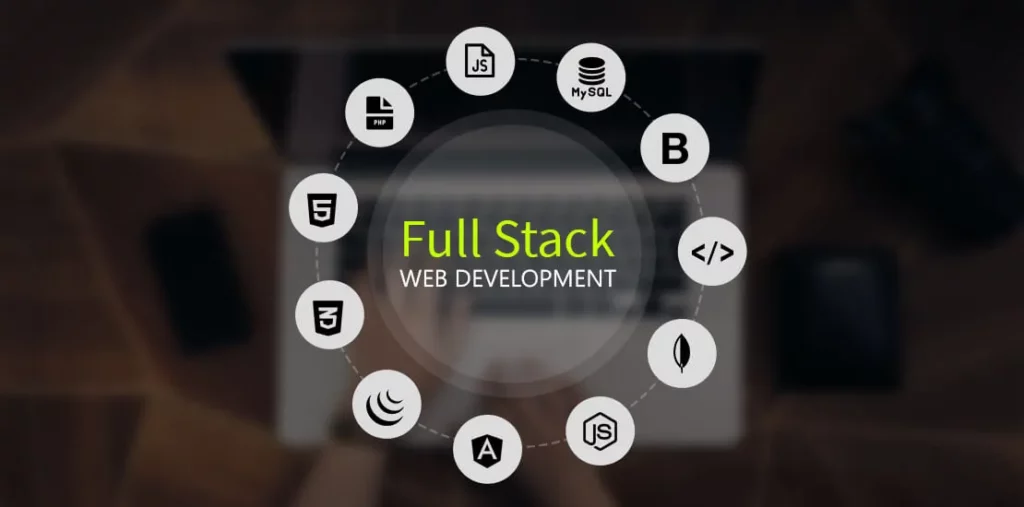
In the ever-evolving world of web technology, mastering End-to-end development is more than just understanding interface layer and system layer code. It\'s about crafting scalable, secure, and user-centric applications that can adapt to the demands of modern users. As a End-to-end developer, your role bridges the gap between functionality and experience, between databases and design, and between business goals and digital solutions.
In this article, I’ll walk you through what it truly means to be a End-to-end developer in today’s ecosystem — not just writing code, but building systems that last. Whether you’re working with interactive interfaces, server-side systems, production-grade systems, modern web applications, or cloud infrastructures like AWS and Firebase, understanding scalability, maintainability, and performance is key to professional growth.
The Core Mindset of a End-to-end Developer
Becoming a strong End-to-end developer starts with a mindset of ownership. You’re not simply coding features — you’re engineering solutions. This involves balancing the technical architecture, user experience, and deployment pipelines. Here are three guiding principles:
- Think Systemically: Every feature is part of a bigger picture — from database design to integration communication to UI state management.
- Optimize Early, Scale Gradually: Focus on writing clean, modular code that can be easily scaled without breaking dependencies.
- Automate and Document: Automation through CI/CD pipelines and well-written documentation saves time and increases reliability.
Process Story
When I first began working on large-scale web applications, I realized that scalability isn’t just about server power — it’s about thoughtful architecture. I once led the development of a End-to-end SaaS platform that started as a simple CRUD app and evolved into a robust multi-tenant system. The key challenge was balancing speed with structure while ensuring the system could support real-time collaboration and thousands of concurrent users.
Through iterative development, I implemented microservices for modular scalability, leveraged Redis caching to handle performance bottlenecks, and integrated WebSockets for instant data synchronization. These practices didn’t just improve the system — they transformed the user experience.
Modern Delivery Components Choices
The right stack can make or break your project. Here’s a quick look at a modern, scalable stack that balances developer velocity with production reliability:
- interface layer: interactive interfaces, modern web applications, or interface architecture for dynamic interfaces and SSR (Server-Side Rendering).
- system layer: server-side systems (application services) or production-grade systems for robust integrations and business logic.
- Database: relational data for relational data or flexible data modeling for flexible, document-based data structures.
- DevOps: Docker, GitHub Actions, and AWS ECS for seamless deployment pipelines.
- Testing: Jest, Cypress, or test automation for maintaining code integrity.
Building for Scalability and Performance
Scalability starts at the design phase. Each module should be self-contained, tested, and loosely coupled. I always advocate for lazy loading in the interface layer, integration versioning in the system layer, and horizontal scaling through containerization. Monitoring tools like Grafana, Sentry, and New Relic provide crucial visibility into performance metrics and user behavior.
On the interface layer, minimizing bundle sizes, leveraging CDN caching, and optimizing image delivery can drastically reduce load times. On the system layer, connection pooling, query optimization, and background jobs help distribute workloads efficiently.
Key Takeaways
- Adopt a product-focused mindset — understand how every technical decision affects users.
- Invest in continuous integration and deployment for faster iteration.
- Design with scalability, maintainability, and security in mind from day one.
- Document everything — future you (and your team) will thank you.
In conclusion, End-to-end development isn’t about knowing every framework — it’s about thinking like an architect and executing like an engineer. By focusing on system design, performance, and user empathy, you’ll build applications that don’t just work today but thrive tomorrow.
Explore more about scalable architectures and modern web solutions on MDN Web Docs.